WhatsApp to Support Messaging from Other Apps Soon — Here’s What It Will Look Like
Meta is set to introduce a significant update to WhatsApp and Messenger that will allow users in the European Union to integrate third-party messaging apps into their existing inboxes.

This change, mandated by the EU’s Digital Markets Act (DMA), aims to make messaging more interoperable across platforms, with features rolling out over the next few years.
Users will soon have the option to combine their Messenger and WhatsApp messages with those from third-party apps or keep them in separate inboxes. Meta is also adding new notification systems in both WhatsApp and Messenger to alert users when they can link chats from newly supported apps.
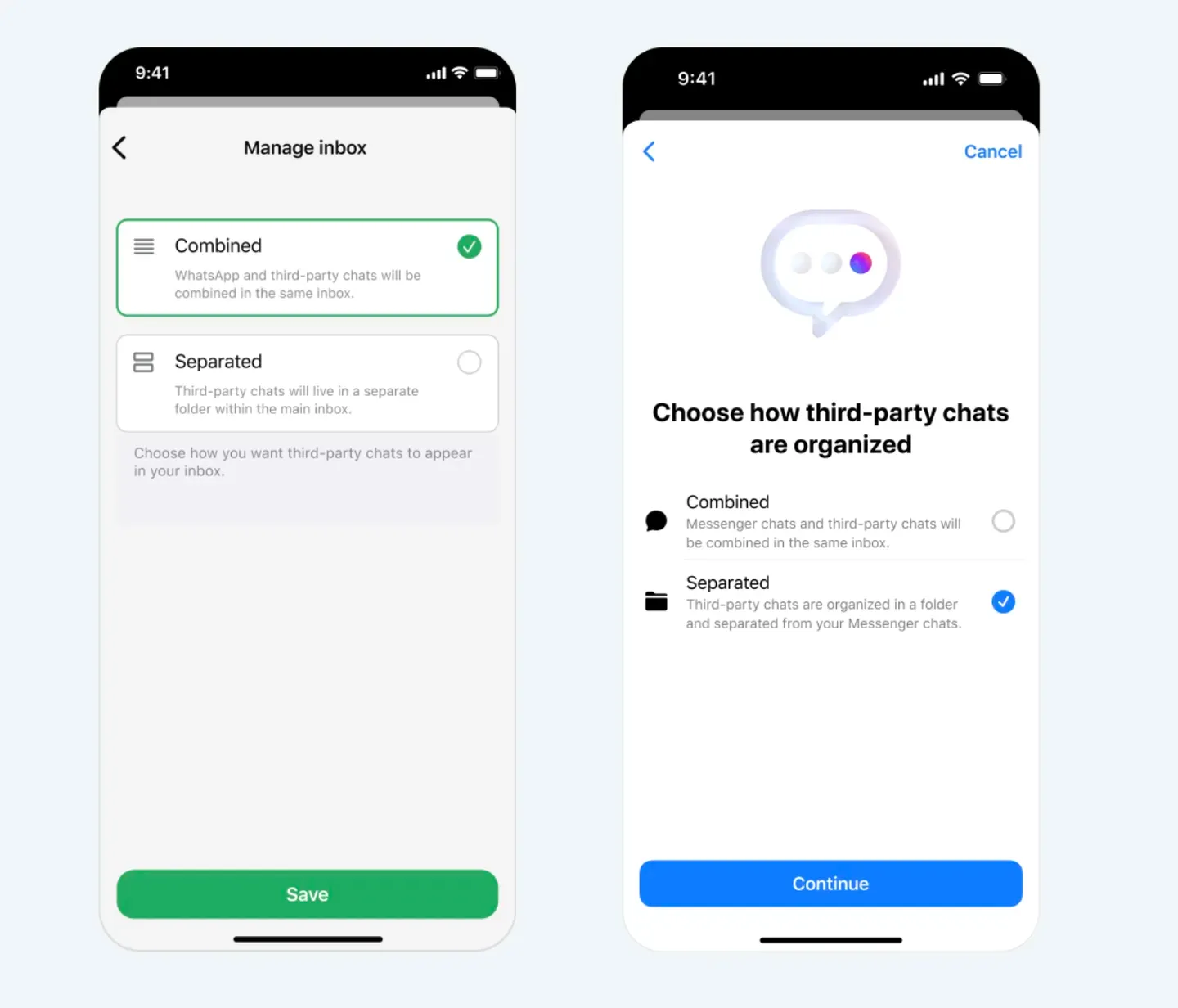
Meta claims it is going beyond the basic interoperability requirements by including enhanced messaging features such as reactions, direct replies, typing indicators, and read receipts. Additionally, starting next year, users will be able to create group chats that include participants from third-party apps, offering a more seamless communication experience.
But Meta’s interoperability ambitions don’t stop there. By 2027, the company plans to support video and voice calls from third-party services on both WhatsApp and Messenger, further expanding the apps' functionality.
Meta has been working on making its platforms more open to third-party messaging services in response to its classification as a "digital gatekeeper" under the EU’s DMA. This status requires the company to comply with regulations that enforce the interoperability of major apps like WhatsApp and Messenger with others, such as iMessage, Telegram, Google Messages, Signal, and more.
However, there are technical challenges to overcome. To maintain the privacy and security of messages, third-party apps integrating with WhatsApp and Messenger will be required to adopt the same Signal Protocol used by Meta for end-to-end encryption. Meta has promised to make this encryption protocol available to partnering apps upon request, ensuring that privacy standards remain intact across all platforms.
This new chapter in messaging could reshape how EU users interact across different apps, making communication more fluid and secure across various platforms.