Urgent Google Maps Security Update: Blur Your Home Immediately
Sextortion scammers are using images of victims' homes to intimidate—here's how to protect yourself.

Sextortion scams, unfortunately, are not a new phenomenon. Typically, these scams follow a common pattern: the scammer claims to have gained control of the victim's device and has videos or images of them watching inappropriate content. However, security researchers at Malwarebytes Labs have discovered a new twist to these scams—dubbed the “Hello Pervert” campaign. This latest tactic involves scammers sending emails to victims and including images of their homes, most likely sourced from Google Maps Street View. Here's a breakdown of what’s happening and how you can protect yourself from this form of extortion.
The "Hello Pervert" Sextortion Scam
This new version of the sextortion scam stands out for two main reasons, both designed to instill maximum fear and panic, pushing victims to comply with the scammer’s demands.
First, the scam emails claim that the victim’s computer has been infected with the notorious Pegasus spyware. Pegasus, which has received significant media coverage over the years, is real spyware known for being covertly installed on both iPhones and Android devices. However, as Malwarebytes intelligence researcher Pieter Arntz clarifies, "Pegasus has never been observed outside of government-led surveillance campaigns."
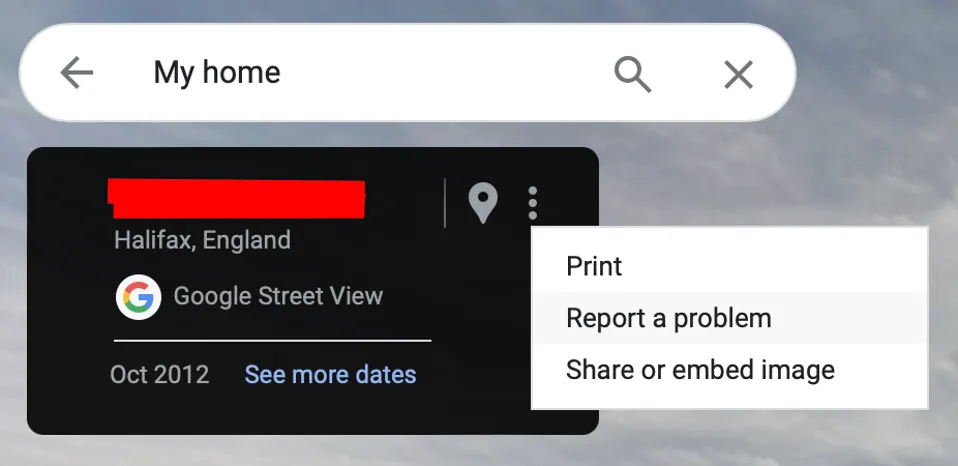
The second, and more terrifying, tactic is the inclusion of a photo of the victim's home in the email. This is intended to make the threat feel more personal and real. Combined with the spyware claim and often a valid password that the victim has used (possibly sourced from a data breach), the inclusion of a picture of their house can drive a victim to believe that their privacy has been completely violated. The email typically demands a “fee” to prevent the attacker from sending pornographic images to the victim's friends and family.
Are They Really Watching You?
The answer is a firm no. Despite the email’s threats, the scammer is not monitoring you. What they likely have is some of your personal information, such as your name, email address, and maybe a password from previous data breaches. From there, it's easy for them to pull a photo of your home using publicly available tools like Google Maps. As Arntz explains, “With your physical address, they can grab images from Google Maps or similar apps.”
Don’t panic—you haven't been hacked, and no one is spying on you. Most importantly, do not pay any money to these scammers. Instead, take the following steps to protect yourself.